How Long Does A Walkway Tensile Structure Last? A Complete Maintenance Guide
- By: Admin
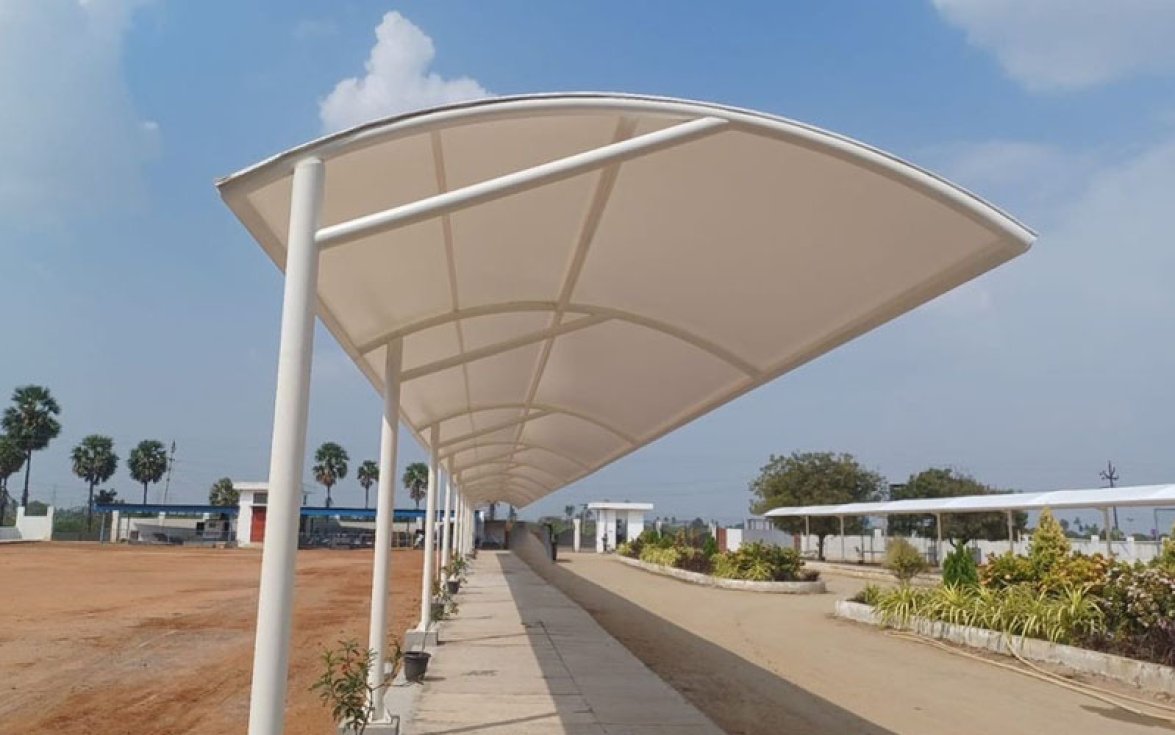
Investing in a modern architectural canopy is a smart move for any property owner, but the "sticker shock" usually leads to one burning question: what is the actual shelf life? If you are working with top-tier Walkway Tensile Structure Manufacturers in Udaipur, like Future Tensile Structure Pvt. Ltd., you aren't just buying a piece of fabric; you’re investing in a high-performance membrane engineered to withstand brutal sun and heavy rain for decades. Typically, a well-engineered structure will serve you faithfully for 15 to 30 years, though the specific "death date" of the fabric depends heavily on the chemical makeup of the coating and the tensioning precision during the initial install.
The Pillars of Fabric Longevity
Not all "tents" are created equal. The lifespan is fundamentally dictated by the science behind the material.
- PVC (Polyvinyl Chloride): This is the workhorse of the industry. It’s flexible and cost-effective, usually offering a solid 10 to 15 years of service.
- PTFE (Polytetrafluoroethylene): This is the gold standard. It’s essentially a Teflon-coated glass fiber that is self-cleaning and chemically inert. It can easily push past the 30-year mark without breaking a sweat.
- ETFE (Ethylene Tetrafluoroethylene): Often seen in high-end stadiums, these transparent "pillows" are incredibly durable and resistant to UV degradation, often lasting 25+ years.
Your Survival Strategy: A Complete Maintenance Guide
You can’t just "set it and forget it." If you want to squeeze every possible year out of your investment, you need a proactive hands-on approach. Dirt, grime, and bird droppings aren't just eyesores—they are chemical agents that slowly degrade the UV-resistant topcoat.
- The "Soft" Wash Technique: Never blast your walkway with a high-pressure power washer. You’ll strip the protective lacquer right off. Instead, use a low-pressure hose and a soft-bristled brush. Stick to pH-neutral soaps; harsh chemicals can cause the fabric to become brittle and yellow prematurely.
- Re-Tensioning: The Structural Heartbeat: Tensile structures live and die by their "stretch." Over the first few years, fabrics undergo a bit of "creep" or natural stretching. If the membrane starts to sag, it creates "ponding" (water collecting in pockets). This weight will eventually tear the fabric or warp the steel. Working with professional Tensile Walkway Structure Manufacturers for an annual "tune-up" ensures the cables are torqued to the exact Newton-meters required.
- Hardware Integrity Checks: The fabric might be fine, but if a turnbuckle rusts through, the whole thing comes down. Regularly check for "tea staining" or surface rust on the stainless steel fittings. A quick wipe with a specialized anti-corrosive spray can prevent a catastrophic failure.
Choosing the Right Engineering Partner
The difference between a 5-year failure and a 25-year landmark often comes down to the name on the blueprint. Precision matters. This is why many developers rely on Future Tensile Structure Pvt. Ltd. to handle the heavy lifting. When the engineering is handled by experts, the wind load calculations and drainage slopes are dialed in perfectly from day one, which naturally extends the life of the materials by preventing unnecessary stress on the seams.
- Quick Maintenance Checkpoints: If you’re short on time, run through this mental checklist every quarter to ensure your walkway stays in peak condition:
- The "Seam" Test: Walk underneath and look for any daylight peeking through the heat-welded seams.
- Gutter Clearance: Ensure the runoff points aren't clogged with leaves; standing water is the enemy of the membrane.
- Bird Control: If birds are nesting in the steel junctions, their droppings will concentrate acidity in one spot, leading to localized "rot."
- Tree Encroachment: Ensure nearby branches aren't whipping against the fabric during storms, as this creates micro-abrasions that lead to tears.
When is it Time to Say Goodbye?
Eventually, even the best-maintained fabric reaches its "fatigue limit." You’ll start to see "wicking," where moisture gets inside the polyester core and turns the fabric dark from the inside out. If you notice the fabric feels "crunchy" or brittle to the touch, or if the translucent glow has turned into a muddy, opaque gray, it’s time to call in the pros for a fabric replacement. The good news? Your steel skeleton is likely still perfectly fine and can be reclad with a fresh membrane for a fraction of the original cost. By keeping a close eye on these variables, your walkway won't just be a temporary fixture—it will be a long-standing testament to smart architectural planning.
Stay updated with the most recent innovations shaping modern architectural landscapes. We regularly publish expert articles detailing engineering breakthroughs, material durability, and design trends for outdoor spaces. Dive into our comprehensive guides to discover how premium shading solutions are transforming commercial, hospitality, and public sectors. Read our latest updates to make informed decisions for your next large scale projects.